
Lean Introduction
Lean Introduction program provides candidates with a comprehensive overview of the principles of Lean Thinking.
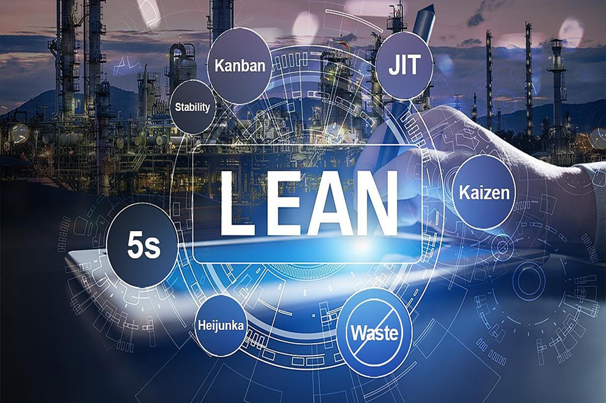
Lean Fundamentals
Lean Fundamentals course introduces the principles of Lean and the overall importance of focusing on what adds value to the customer.
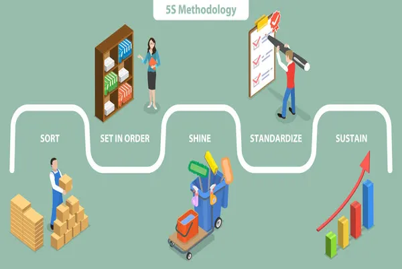
5S Methodology
A method of creating a clean and orderly workplace that exposes waste and makes abnormalities immediately visible.
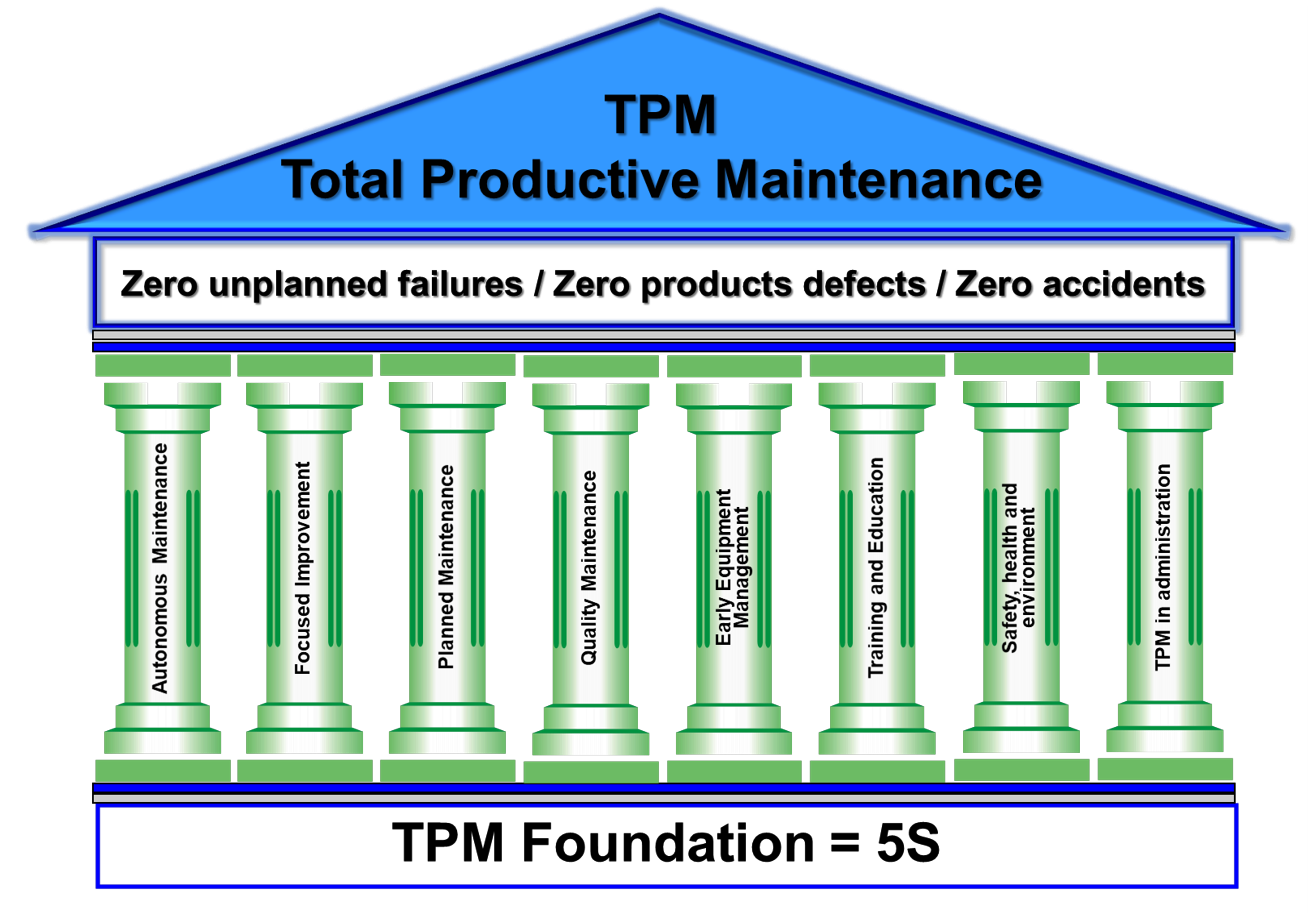
TPM Program
TPM is not just a maintenance strategy—it's a company-wide philosophy that integrates people, processes

SMED Methodology
Single Minute Exchange of Die is a Lean methodology developed to dramatically reduce the time required to changeover equipment from producing one product to another.
Value Stream Mapping
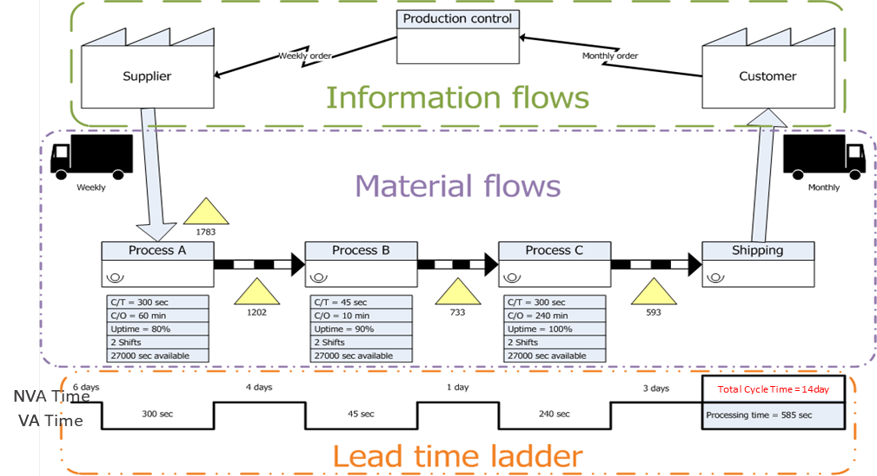
Enables organizations to understand how work truly flows across functions, departments, or systems, and serves as a strategic tool for process improvement and transformation.
KAIZEN
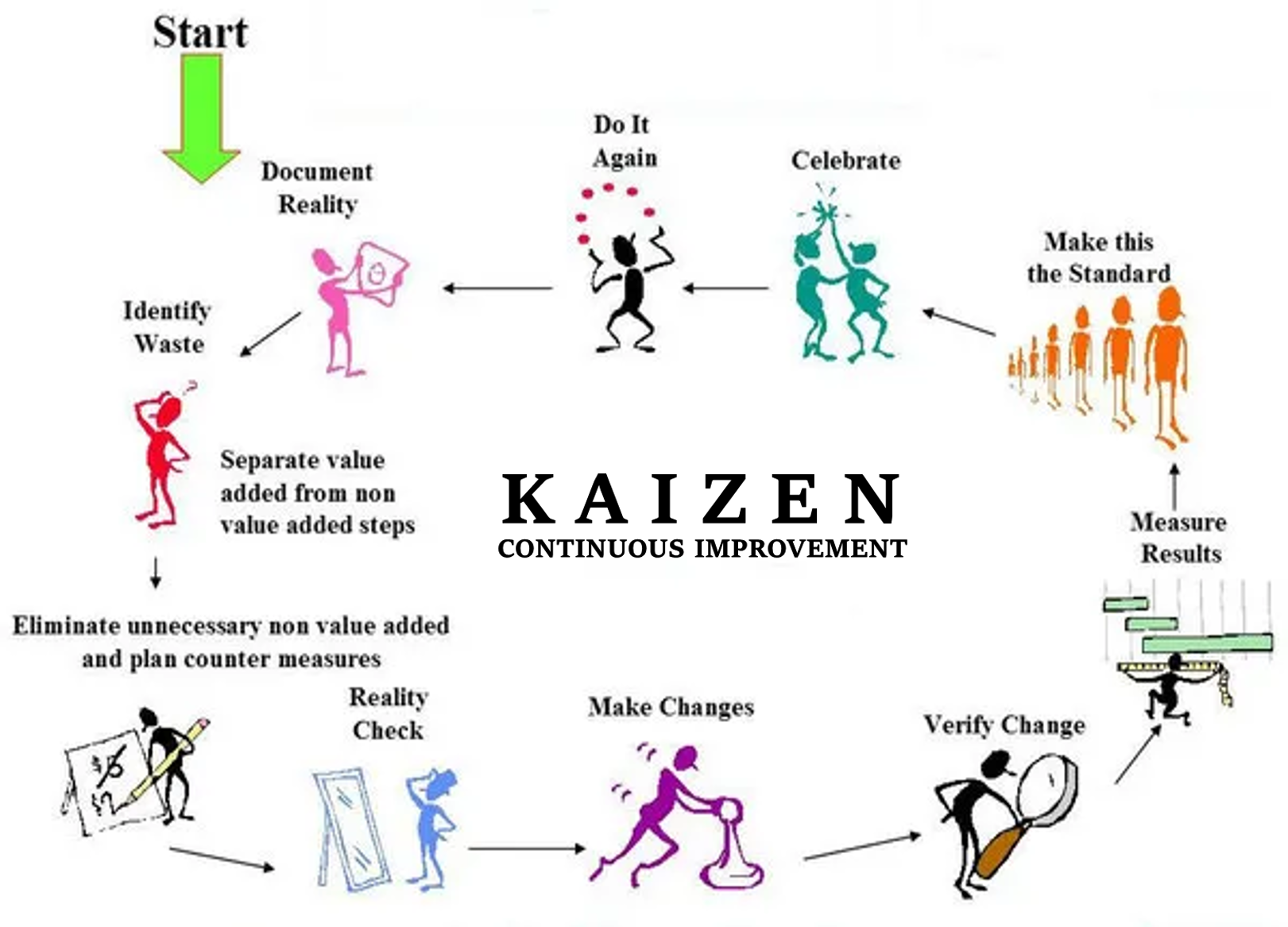
As a Lean philosophy, Kaizen focuses on making incremental, ongoing improvements to processes, systems across all levels of an organization.

KANBAN
Promotes flexibility, collaboration, and a pull-based system, where work is initiated based on actual demand, not forecasts or arbitrary schedules.

MASP/PDCA Method
The MASP (Problem Analysis and Solving Method) is a structured methodology designed to identify, analyze, and resolve problems

Team Work
In essence, teamwork transforms Lean tools into Lean results. It is the engine that drives innovation, alignment, and CI in a Lean environment

Final Test
Conducting a knowledge test after Lean Manufacturing training is a critical step to ensure the effectiveness of the learning process

Project Certification
Final and most crucial stage of a Lean Mfg. training program. It serves as the bridge between classroom learning and real-world application
OPERATIONAL EXCELLENCE INTRODUCTION
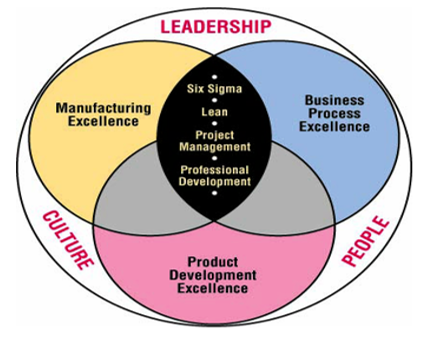
Operational Excellence (OpEx) drives efficiency, quality, and continuous improvement to achieve strategic goals

ROLES AND RESPONSIBILITIES
Guide strategy, remove obstacles, ensure resources, and support execution within the Operational Excellence (OpEx) Steering Committee
DMAIC METHODOLOGY
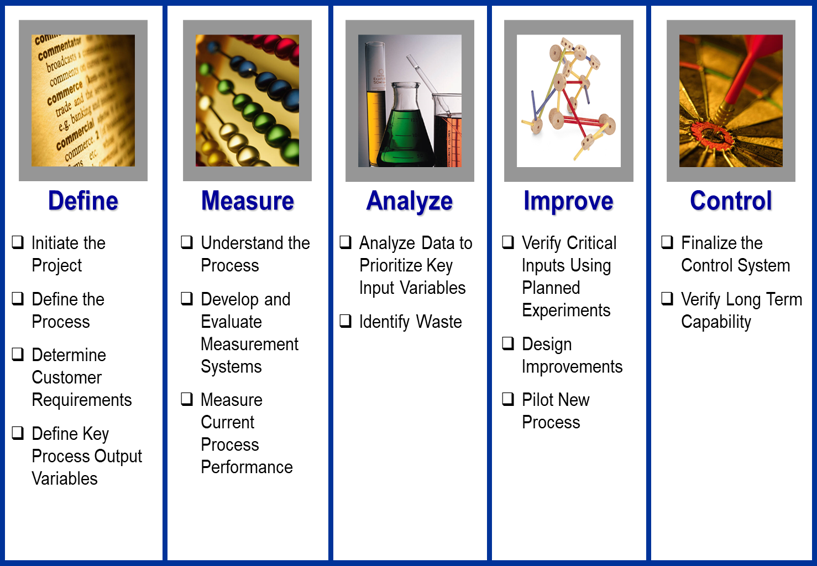
Once projects are identified, the Six Sigma methodology is applied using the DMAIC framework to provide a structured, data-driven approach
DFSS METHODOLOGY
Used to conceive, design, optimize & certify the capability of a new Manufacturing Process or Product Design that is required based on a market need or business strategy
LEAN MANUFACTURING
A systematic approach to identifying and eliminating waste (non-value-added activities) through continuous improvement by flowing the product at the pull of the customer in pursuit of perfection
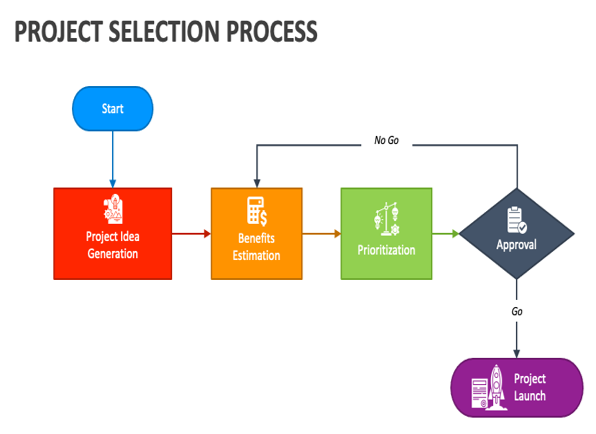
DEPLOYMENT AND PROJECT SELECTION
Focus on the key areas that impact critical processes, develop a deployment plan, identify improvement initiatives, assign the right people, and actively manage execution
DMAIC METHODOLOGY
Once projects are identified, the Six Sigma methodology is applied using the DMAIC framework to provide a structured, data-driven approach to problem solving that drives sustainable process improvement and delivers measurable results
LEAN MANUFACTURING
A systematic approach to identifying and eliminating waste (non-value-added activities) through continuous improvement by flowing the product at the pull of the customer in pursuit of perfection
MASP / PDCA Method
The MASP (Problem Analysis and Solving Method) is a structured methodology designed to identify, analyze, and resolve problems by implementing both preventive and corrective actions ensuring a systematic CI approach
5S METHODOLOGY
A method of creating a clean and orderly workplace that exposes waste and makes abnormalities immediately visible
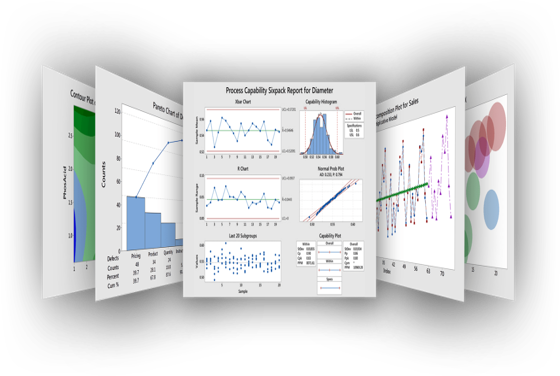
ELEMENTARY STATISTICS
Use of statistics is introductory and focused on building a foundational understanding of process performance, to learn how to collect, organize, and interpret data using basic descriptive statistics such as averages, variation, and basic graphical tools like histograms and trend charts
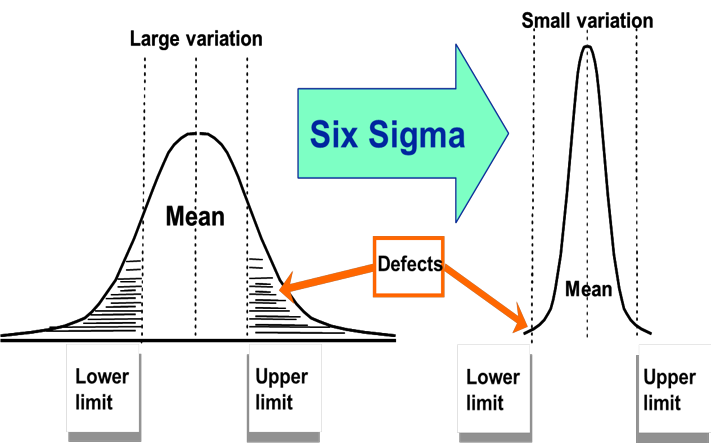
Introduction to Six Sigma
Six Sigma is a data-driven methodology and management philosophy focused on improving processes by reducing defects and variation, integrating quality into daily operations, and driving continuous improvement to meet customer needs.
Statistics and Quality Tools
Apply statistical tools such as process capability analysis, hypothesis testing, and simple regression to confirm relationships and assess process stability.
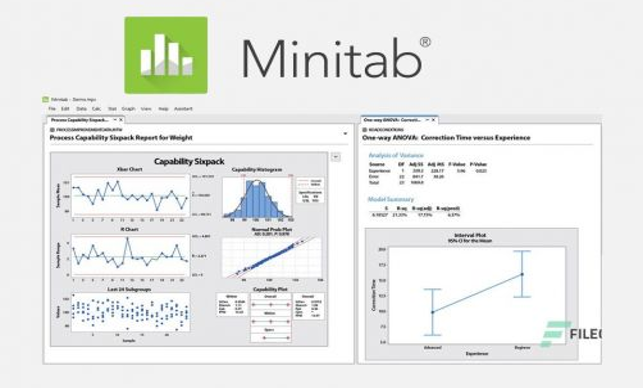
MINITAB
MINITAB is a powerful statistical software widely used in Six Sigma projects to support data analysis and decision-making throughout the DMAIC cycle.
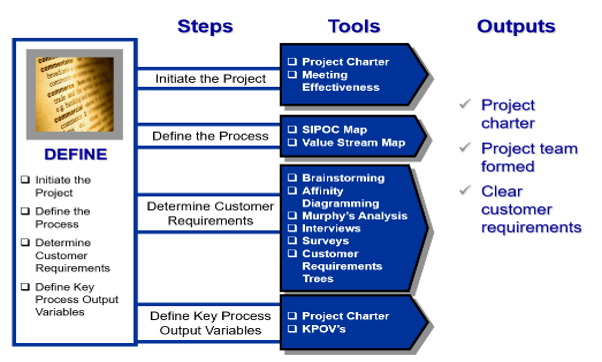
DEFINE PHASE
In the Define Phase of Six Sigma, the team is organized, the problem and improvement goal are clearly stated, the target process is identified, and customer requirements are understood to set the foundation for the project.
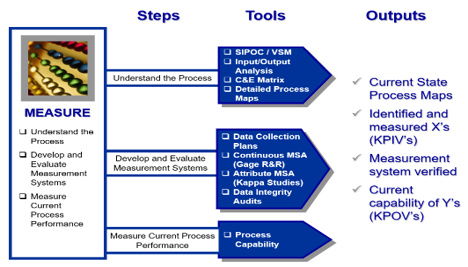
MEASURE PHASE
In the Measure Phase of Six Sigma, the team maps and analyzes the process, identifies key input variables contributing to the problem, and collects baseline data on key output variables to assess how well the process meets customer requirements.
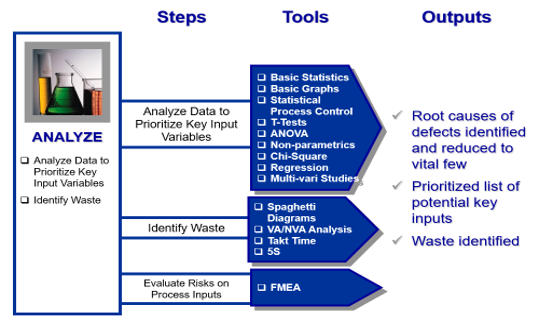
ANALYZE PHASE
In the Analyze Phase of Six Sigma, data is collected and examined to objectively understand the process, confirm which input variables are driving the root causes, and determine what and where improvements are needed.
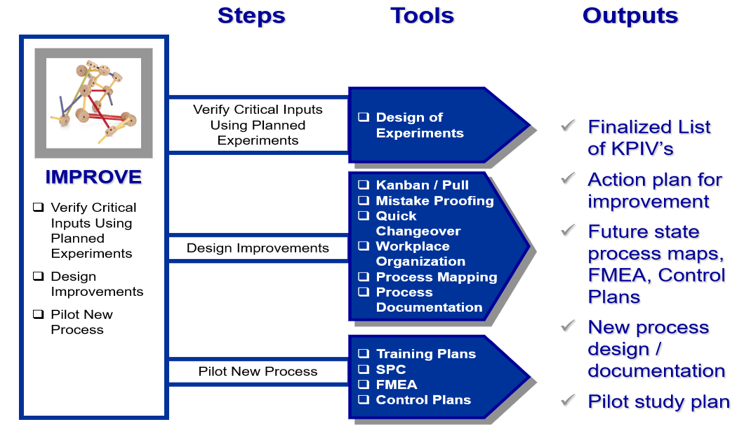
IMPROVE PHASE
In the Improve Phase of Six Sigma, solution is developed and implemented to eliminate root causes, reduce process variation, cycle time, prevent problems from recurring by generating, refining, and selecting the best solutions, mapping the future state, piloting changes, and full implementation.
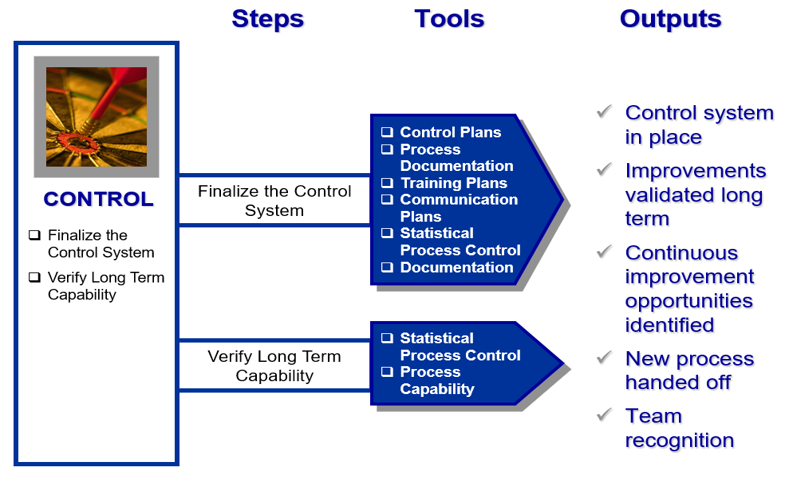
CONTROL PHASE
In the Control Phase of Six Sigma, the focus is on sustaining improvements, consistently meeting customer expectations by implementing control measures that maintain process performance and prevent regression, ensuring long-term success and customer satisfaction.
Final Test
Conducting a knowledge test after Lean Six Sigma Green Belt training is a critical step to ensure the effectiveness of the learning process and to drive real, measurable impact in the organization. In summary, a test transforms training from a passive learning event into an active.
Project Certification
Final and most crucial stage of a Lean Six Sigma Green Belt training program. It serves as the bridge between classroom learning and real-world application, challenging participants to apply LSS principles, tools, and methodologies in a practical environment.
Lean Six Sigma
Is a structured methodology that combines Lean’s focus on eliminating waste with Six Sigma’s focus on reducing variation, aiming to improve process efficiency, quality, and customer satisfaction.
MINITAB
MINITAB is a powerful statistical software widely used in Six Sigma projects to support data analysis and decision-making throughout the DMAIC cycle.
Statistics linked w/ Minitab
At this level, statistics becomes a powerful engine for strategic decision-making, enabling Black Belts to model processes, control critical variables, and optimize performance with precision and confidence
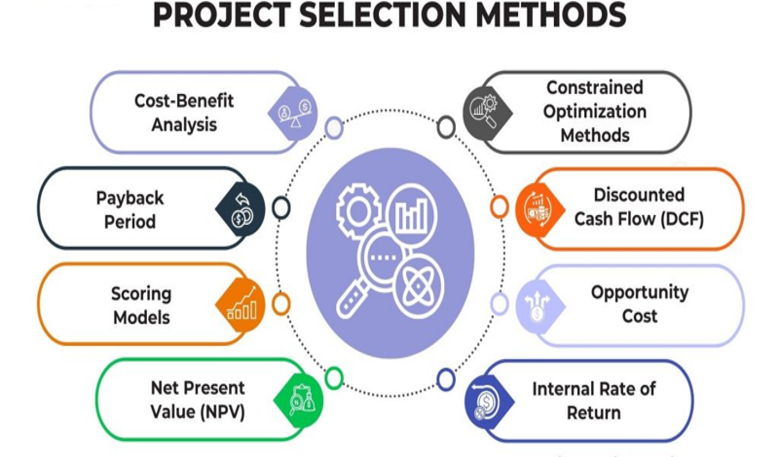
Projects Selection
Is a crucial step in Lean Six Sigma, as it ensures that resources are focused on high-impact problems aligned with business priorities.
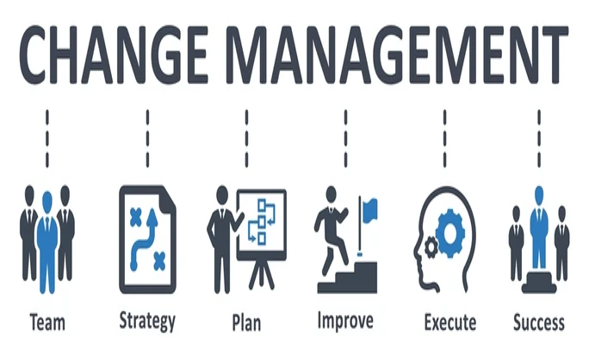
Change Management
Change Management is critical to the success of Lean Six Sigma projects, as it ensures that improvements are not only implemented but also adopted and sustained.
Team Work Management
In essence, teamwork transforms Lean Six Sigma tools into Lean Six Sigma results. It is the engine that drives innovation, alignment, and CI in a Lean environment
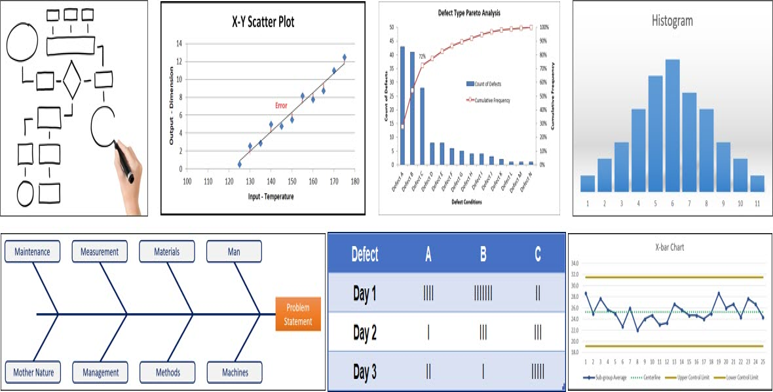
Quality Tools
Quality tools are defined as an instrument or technique to support and improve the activities of quality management and improvement.
DMAIC
Once projects are identified, the Six Sigma methodology is applied using the DMAIC framework to provide a structured, data-driven approach to problem solving that drives sustainable process improvement.
Final Test
Conducting a knowledge test after LSSBB training is a critical step to ensure the effectiveness of the learning process and to drive real, measurable impact in the organization.

Project Certification
Final and most crucial stage of a Lean Six Sigma Green Belt training program. It serves as the bridge between classroom learning and real-world application, challenging participants to apply LSS principles, tools.